What does Mazu mean in English?

Mazu, often revered as the sea goddess in Chinese culture, holds a name that is rich in meaning and significance. The term “Mazu” is derived from two Chinese characters: “妈” (mā), which means “mother,” and “祖” (zǔ), meaning “ancestor.” Together, “Mazu” translates to “Maternal Ancestor” or “Mother Ancestor” in English.
Origins and Titles
Mazu, originally named Lin Moniang, was a historical figure who lived during the 10th century in Fujian Province. Her extraordinary acts of bravery and compassion, particularly in saving sailors and fishermen from peril, led to her deification after her death. Over time, she was bestowed with numerous titles that reflect her elevated status within various religious traditions.
- Heavenly Mother (天上聖母): This title, common in Taoist practices, emphasizes her role as a celestial guardian and protector.
- Empress of Heaven (天后): Widely used in Chinese Buddhism and folk religion, this title underscores her supreme authority and benevolent oversight of the seas.
- Holy Mother (圣母): Reflecting her nurturing and protective nature, this title is often invoked by those seeking her guidance and blessings.
Symbolism and Cultural Significance
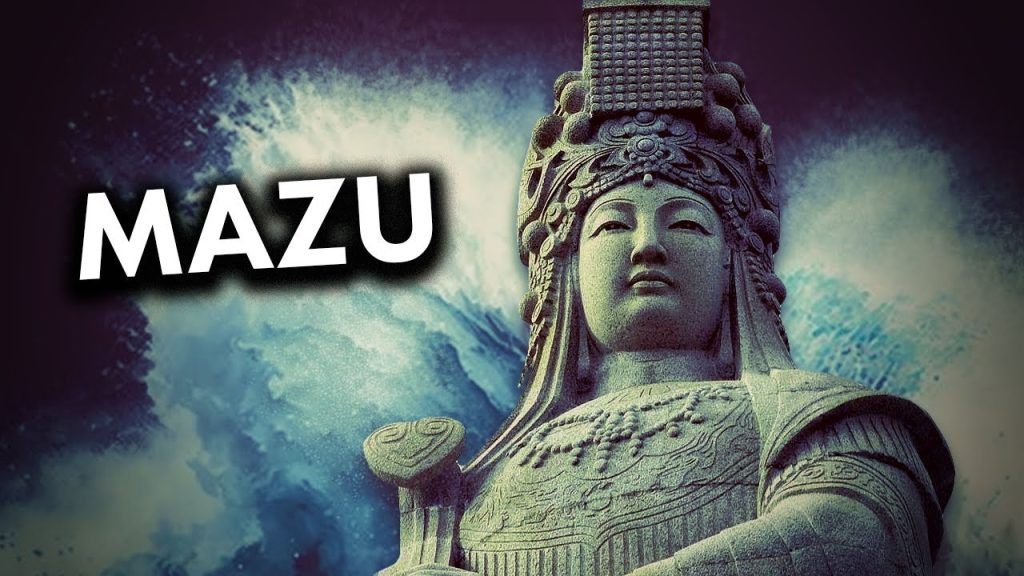
Mazu’s name and titles are not merely honorary; they encapsulate her profound influence on Chinese culture and spirituality. As “Mother Ancestor,” she symbolizes the ideal of a protective and nurturing figure, watching over her devotees with boundless compassion. Her worship extends beyond religious boundaries, integrating elements of Taoism, Buddhism, and folk traditions.
In art and iconography, Mazu is frequently depicted holding a ceremonial tablet, symbolizing her wisdom and authority, and wearing an imperial headdress, which denotes her divine status. These elements further highlight the reverence with which she is regarded across different cultural contexts.
Conclusion
Understanding what “Mazu” means in English provides a glimpse into the rich tapestry of Chinese mythology and religious practices. As the “Maternal Ancestor,” Mazu embodies the virtues of protection, compassion, and guidance, making her a central figure in the lives of many who live by and depend on the sea. Her legacy continues to be celebrated through various rituals, festivals, and artistic representations, cementing her role as a beloved deity in Chinese culture.

