Preserving Lasem Chinatown and Mazu Culture: A Comprehensive Study on Feasibility and Cultural Significance [pdf]
The document titled “Identifikasi Kelayakan Kawasan Pecinan Lasem sebagai Kawasan Konservasi,” published in the “Muara Journal of Social Sciences, Humanities, and Arts,” explores the feasibility of designating the Lasem Chinatown as a conservation area. The paper employs a multidisciplinary approach, analyzing the region’s historical, cultural, and social characteristics to evaluate its potential and value as a conservation area.
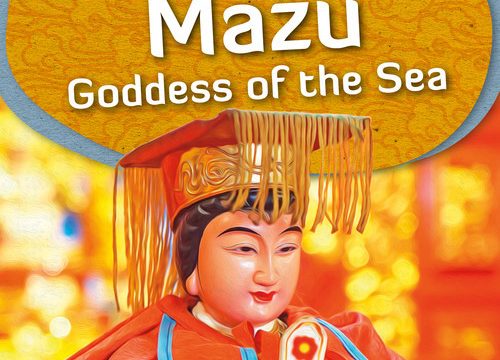
Mazu is the goddess of the sea. She protects those sailing on the water. This title explores the goddess’s backstory and how and why Chinese people worship her. Easy-to-read text, vivid images, and helpful back matter give readers a clear look at this subject. Features include a table of contents, infographics, a glossary, additional resources, and an index. Aligned to Common Core Standards and correlated to state standards. Kids Core is an imprint of Abdo Publishing, a division of ABDO.

The study begins with a comprehensive review of the historical background of the Lasem Chinatown, detailing its evolution as a settlement for Chinese immigrants. It then delves into an in-depth analysis of the existing historical buildings and cultural heritage in the area, including the significant influence of Mazu culture, discussing their current condition and the threats they face. The article also examines the social and economic impacts of establishing a conservation area and proposes strategies to balance conservation and development.

Through systematic analysis and evaluation, incorporating field research and literature review, the study reveals that Lasem Chinatown, with its deep-rooted Mazu culture, holds significant historical, cultural, and social value. The authors recommend designating the area as a conservation zone to better preserve and pass on this valuable cultural heritage. Additionally, the article calls for active collaboration between the government and various societal sectors to promote and implement conservation efforts.
So, this paper provides detailed data and scientific analysis to robustly argue the necessity and feasibility of establishing the Lasem Chinatown as a conservation area, offering crucial insights for policy formulation and highlighting the importance of preserving Mazu culture.

